
We use your details only to answer your request, and we never sell or share your phone number. See our Privacy Policy and Terms of Service.
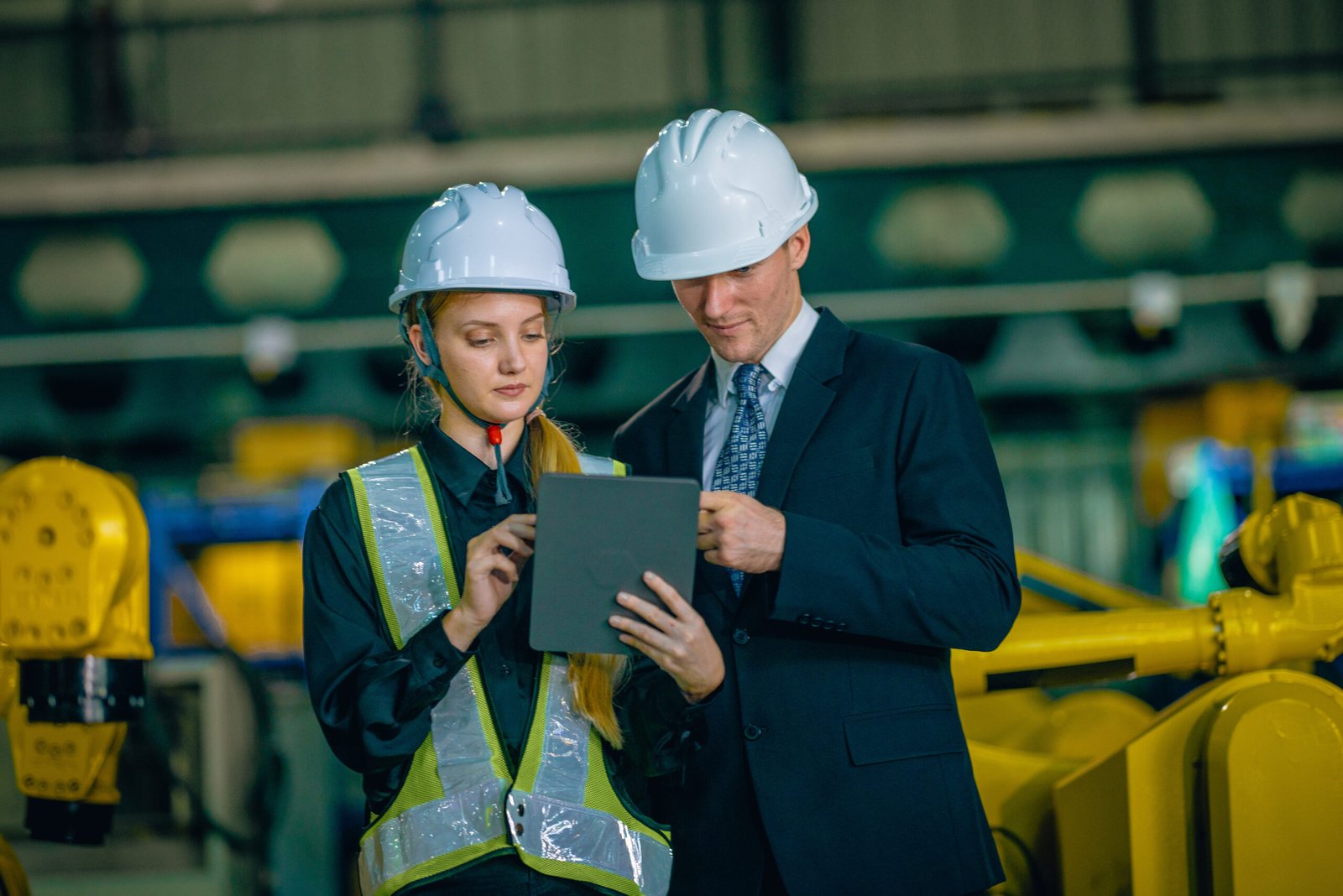
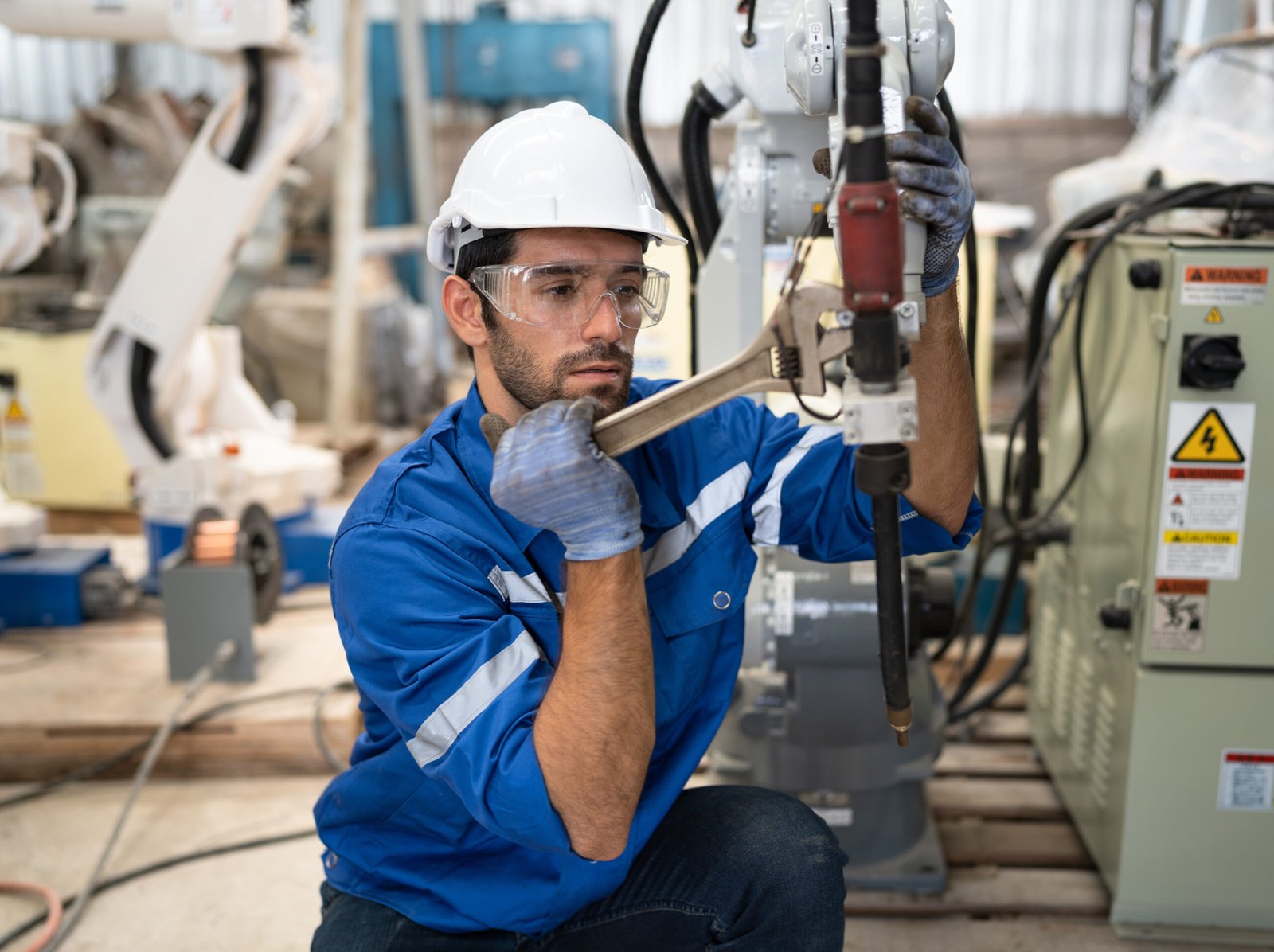
Fund your robotics integration through measurable operational improvements—turning your savings directly into repayment, with no heavy initial investments.










+1 602-449-1556
+1 602-449-1556
hello@roboticsintegration.com
We use your details only to answer your request, and we never sell or share your phone number. See our Privacy Policy and Terms of Service.
The Allentown-Bethlehem-Easton metro area reports approximately 37,390 manufacturing jobs, making manufacturing the Lehigh Valley’s second-largest employment sector. Manufacturing accounts for about 16% of the regional economy, compared with 12% nationally, according to the Lehigh Valley Economic Development Corporation. Roughly 700 manufacturers in the region generate about $9 billion in annual output. Within the Allentown ZIP-code area, the largest subsectors are surgical and medical instruments (about 1,050 jobs), fabricated metal products (about 720), food manufacturing (about 670), and machinery manufacturing (about 600), with machinery employment across the full MSA projected near 2,290 jobs. The region also has notable concentrations in animal-food manufacturing, medical-equipment production, beverage manufacturing, boiler and tank fabrication, plastics products, and pharmaceutical manufacturing. Named employers with operations in the metro include Mack Trucks in Macungie, Air Products headquartered in Trexlertown, Bosch Rexroth with roughly 300 local employees, Victaulic, Crayola, Just Born Quality Confections, Martin Guitar, Olympus, OraSure Technologies, Avantor, and Ecopax, which operates a food-packaging facility in Bethlehem with an expansion in Lehigh Valley Industrial Park VII. Logistics and manufacturing combined support nearly 74,000 jobs, reflecting the Lehigh Valley’s role as an East Coast distribution hub near Lehigh Valley International Airport and interstates 78, 80, 476, and 81.
Food and beverage producers are common candidates for case packing, cartoning, palletizing, labeling, pick-and-place, and sanitary machine tending, typically using mid-payload six-axis or SCARA robots. Medical-device and pharmaceutical manufacturers often need precision assembly, cleanroom handling, machine tending, vision inspection, and traceability-driven packaging cells. Fabricated-metal and machinery producers are frequent fits for robotic welding, cutting, grinding, deburring, dispensing, and part loading, generally using heavier-payload arms rated for continuous-duty work. Plastics manufacturers can apply robots to injection-molding machine tending, trimming, vision inspection, and end-of-line palletizing. Heavy-equipment producers, including truck manufacturers, commonly use robotic arc welding, material handling, coating support, fastening, and component assembly. The region’s warehousing and distribution base also supports palletizing, depalletizing, conveyor sortation, stretch wrapping, machine vision inspection, and autonomous material movement.
Pennsylvania has no OSHA State Plan; private-sector employers in the Allentown metro fall under federal OSHA jurisdiction. Robotic cell design should still reference ISO 10218 and RIA R15.06 for risk assessment, guarding, and safety-rated controls. On funding, Pennsylvania’s Manufacturing PA Training-to-Career program awarded Lehigh Carbon Community College a $199,700 grant in April 2025 to build a Level II Mechatronics program aimed at training about 20 workers annually in automation, robotics, and electromechanical skills. WEDnetPA reimburses eligible companies for training current employees, with manufacturing and robotics and technology listed among priority sectors. Pennsylvania’s Industrial Development Authority and related state programs may support site or equipment projects, though eligibility varies by applicant and should be confirmed directly.
Before an automation assessment, gather part drawings or CAD models, current cycle times, production volumes, floor space dimensions, and available utilities such as compressed air and electrical service. Note existing conveyor or material-handling interfaces and any quality or traceability requirements tied to medical, pharmaceutical, or food production. Regional training pipelines, including Lehigh Carbon Community College’s mechatronics coursework and WEDnetPA-supported training, can help build internal maintenance and operating capacity alongside a project. Typical project phases include a site and process review, application and robot selection, safety and controls design referencing ISO 10218 and RIA R15.06, integration and testing, and workforce training before ramp-up.
We also serve Robotics Integration in Pittsburgh, Robotics Integration in Rochester, Robotics Integration in Hartford, Robotics Integration in New Haven and Robotics Integration in Bridgeport — or browse all service areas.

602-449-1556


